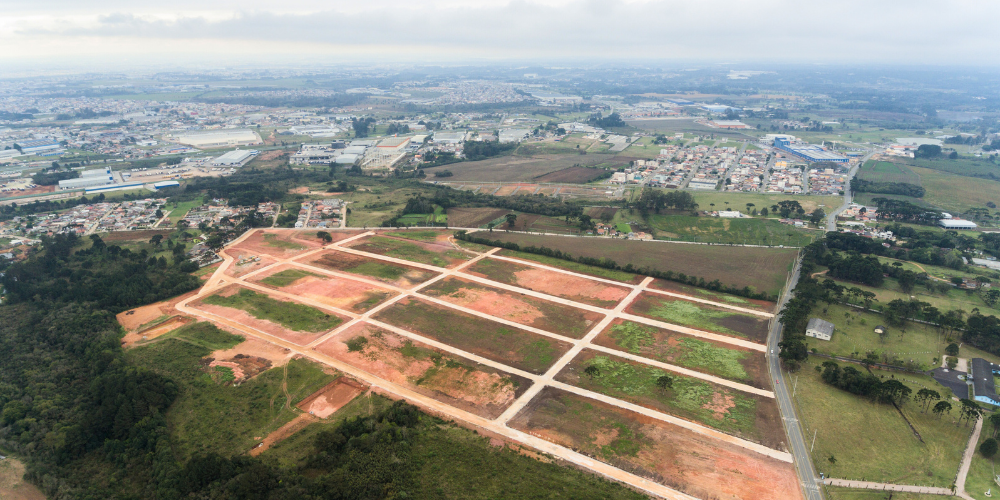
Commercial real estate involves high stakes, big investments, and even bigger risks. With so much money and planning on the line, the last thing any investor or lender wants is to face a surprise ownership dispute or hidden legal issue after the deal is done.
Title insurance protects buyers and lenders from problems tied to a property’s past, like unpaid taxes, old claims, or errors in records.
In this blog, we will explain how working with a trusted property title company and having title insurance can help you avoid major setbacks and protect your investment.
The Complexity of Commercial Real Estate Titles
Commercial real estate deals are more complicated than buying a house. Companies, partnerships, or groups of investors often own these properties. That means there are more documents to check and more people involved. A property title company plays a key role in reviewing ownership records to make sure everything is legal and correct.
They look for problems like unpaid taxes, old claims, or missing paperwork. Easements, leases, or zoning laws also add to the mix.
Without the help of a trusted property title company, it is easy to miss something that could lead to legal trouble or financial loss later. That is why careful review is essential in commercial real estate.
Common Title Issues in Commercial Real Estate
Commercial real estate titles can come with hidden problems that cost time and money. That is why working with a property title company is so important. Here are some common title issues you might face:
Liens or Unpaid Debts: These can stick to the property and become your responsibility.
Ownership Disputes: Unknown heirs or attempted thefts can confuse who owns the property.
Forged or Missing Documents: These can raise legal questions later.
Easements or Restrictions: These may limit how you can use the property.
Wire Fraud and Scams: Criminals use fake emails and phone calls to trick people into sending money to the wrong account.
A reliable property title company checks for all these problems before you buy. They help protect buyers, lenders, and investors from major losses and lawsuits. With their help, you can move forward with confidence.
How Title Insurance Protects Investors?
Title insurance is one of the smartest moves investors can make when buying commercial property. It protects against hidden risks that could cause big financial losses. A trusted property title company helps investors avoid trouble before it begins. Here’s how they help keep your investment safe:
Confirms Legal Ownership: It makes sure the seller owns the property and has the right to sell it.
Covers Past Liens: Protects you from unpaid taxes, contractor bills, or court judgments tied to the property.
Fixes Public Record Errors: Simple mistakes in paperwork can lead to ownership problems, and title insurance saves you from these errors.
Defends Against Fraud: If someone tries to fake documents or steal ownership, title insurance will cover your legal defence.
Protects Property Lines: It helps settle any issues with boundaries or incorrect surveys.
One-Time Payment: You pay once at closing, but get protection for as long as you own the property.
Why Lenders Require Title Insurance?
Lenders always require title insurance when giving a loan for commercial real estate. It protects their right to get paid back and ensures the property has no legal issues, like past liens or ownership claims.
If someone else tries to claim the property later, it could hurt the lender’s ability to recover the loan through foreclosure.
Title insurance gives the lender peace of mind. A trusted property title company ensures everything is checked and cleared before closing. This way, lenders can avoid future legal or financial troubles.
Owner’s vs. Lender’s Policy: Know the Difference
Policy Type
Who It Protects
What It Covers
Owner’s Policy
Buyer or Investors
Protects against title problems like liens, fraud, or ownership disputes.
Lender’s Policy
Bank or Financial Institution
Covers the lender’s money if a title issue affects the loan.
Even if the lender has protection, you still need your own. A property title company helps you get both policies to ensure everyone is covered in the deal.
Key Takeaway
Commercial real estate deals involve big money and big risks. Going without title insurance is like walking a tightrope without a safety net. It protects you from costly problems like ownership disputes, unpaid liens, or fraud that could show up after the deal is done. That is why smart investors and lenders always choose protection.
A reliable property title company helps make sure everything is legal, clear, and safe before closing. For peace of mind and long-term protection, partner with a local expert.
Valley Land Title Co. is here to help you close your next commercial deal confidently and smoothly.
It is always exciting to buy your first home. But even one hidden title issue can bring the process to a halt. Although buyers are eager to move in and sellers are ready to move on, unseen problems with a property’s title can delay closing or even derail the sale.
That’s where you need a trust title expert. A reliable McAllen title insuranceteam can spot these red flags early, helping you avoid legal surprises and costly delays.
In this blog, we will walk you through the most common title issues first-time buyers should know and how to stay one step ahead.
7 Common Title Issues That Can Derail a Sale
Title issues can cause big delays for first-time buyers. Here are seven common problems that McAllen title insurance experts watch for to protect your deal and move forward confidently.
Unknown Liens
Liens are one of the most common title problems. They happen when a previous owner owes money, like unpaid taxes, contractor fees, or court judgments, and a creditor claims a part of the property. Even if the debt is not yours, it stays with the property until it is paid off.
For example, if the seller of your property did not pay a contractor, that contractor can still come after the home, even after you have bought it. This is why McAllen title insurance is important. It protects you from surprise debts tied to the property and helps you avoid costly legal trouble later on.
Errors in Public Records
Everyone makes mistakes, but in real estate, even small ones can lead to big problems. A simple typo, a misspelled name, or a wrong property description in public records can create legal issues for new homeowners.
These errors might seem minor, but they can affect your ownership rights or lead to costly delays. That is why a thorough title search is important. A trusted McAllen title insurancecompany can catch and fix these problems early, so they do not carry over to you and disrupt your homebuying journey.
Undisclosed Heirs
Sometimes, someone else may have a legal claim to the home you just bought. This can happen if a past owner did not have full rights to sell. For example, if a spouse did not sign the deed, or a long-lost heir shows up with a valid claim.
These issues might not come to light until years later, putting your ownership at risk. McAllen title insurance protects you from legal battles tied to undisclosed heirs and ensures that your property rights stay secure, no matter what happened in the property’s past.
Illegal Deeds
A deed is a legal document that transfers property. But if it is not signed correctly, it can be ruled invalid. This happens when the wrong person signs for a company or when someone who lacks legal capacity, like a minor or an elderly person with dementia, signs by mistake.
If the deed was not legally valid, your ownership could be challenged later. That is why working with a trusted McAllen title insurance provider matters. They help uncover these red flags early, making sure the deed is legal and enforceable, so you do not end up paying for someone else’s mistake.
Boundary or Survey Disputes
Imagine buying your dream home, only to find out your neighbor’s fence or shed is sitting on your land. This kind of issue, called an encroachment, can lead to serious disputes over property lines. These problems often arise when property surveys are not reviewed closely before the sale.
A seller should check for any boundary issues and resolve them with neighbors before closing. One way to stay protected is by working with a McAllen title insurance provider. They can help flag survey disputes early, so you do not end up in a legal fight over where your yard really begins.
Forgery or Fraud
Fraud and forgery are not common, but when they happen, they are expensive, costing over $143,000 on average per claim. A common scam involves a criminal pretending to be the owner of a property, forging their signature on a deed, and selling it to an unsuspecting buyer.
You could lose your home or face a legal battle if your seller turns out to be an impostor. A McAllen title insurance protects you from fraud, forgery, and other shady activity, even if it happens after you have bought the home. Some policies even cover forged deeds in your name.
Unrecorded Easements or Restrictions
Easements give others the right to use part of your property, like utility companies accessing pipelines, or neighbors sharing a driveway. While some are harmless, others can limit how you use your home. And if these easements are not recorded or disclosed, they can surprise buyers after closing.
The same goes for HOA rules, which might restrict things like home rentals, exterior changes, or even parking. These can cause serious headaches later.McAllen title insurancehelps uncover hidden easements or restrictions early, so you know exactly what you are buying and avoid costly surprises down the line. Always review HOA documents before closing.
Key Takeaway
Buying a home is a big deal, and the last thing you want is a title issue turning your dream into a nightmare. From hidden liens to boundary disputes and even fraud, these problems can cost you time, money, and peace of mind.
A McAllen title insuranceprotects your property and your investment if something goes wrong. With the right coverage, you can avoid unexpected legal trouble. Ready to close with confidence? Trust the experts at Valley Land Title Co. to guide you every step of the way, because your peace of mind is our priority.
You have made the down payment, sorted your mortgage, and now someone mentions “title insurance.” Is this another recurring fee?
Not quite.
Title insurance is a one-time policy that protects you and your lender from potential legal issues tied to a property’s ownership history.
For many people, a home is the biggest investment they will ever make. The last thing they want is a surprise claim against their property.
In this article, we will break down how title insurance works, why it is a one-time cost, and how McAllen Title Company provides you a long-term peace of mind.
What is Title Insurance?
Before closing any real estate deal, it is essential to have a clear title. A McAllen Title Company performs a title search to confirm legal ownership and uncover any hidden issues like unpaid taxes, liens, or even building code violations.
A title insurance then acts as a financial safety net. It protects both homebuyers and lenders from potential losses tied to past ownership problems. These include ownership disputes, clerical errors in public records, or even fraudulent claims.
Is it a One-Time Cost?
To answer in short, yes, title insurance is a one-time premium paid at the closing of a real estate transaction.
Unlike homeowners’ insurance or property taxes, it does not come with monthly bills or annual renewals. You pay once, and the protection lasts for as long as you own the property.
Depending on the property’s value, type, and location, the cost typically ranges from 0.5% to 1% of the home’s purchase price. Moreover, a McAllen title company will offer transparent pricing with no hidden fees.
This fee is paid upfront, along with other closing costs, and covers a thorough check of the property’s title history. While lenders usually require their policy to protect their investment, an owner’s policy is optional but strongly recommended. It secures your interest as the homeowner from potential title issues that may arise down the line.
Why It Offers Long-Term Value?
As mentioned above, title insurance is not just a line item on your closing statement. It’s long-term protection for one of your biggest investments. Once paid, title insurance covers you for as long as you own the home. There are no renewal fees, no hidden charges, just lasting peace of mind.
A quality policy protects against serious title issues that can arise unexpectedly, even years after your purchase. These include unknown heirs suddenly claiming ownership, forged documents, recording errors, or undiscovered liens tied to previous owners. Any one of these problems can put your home and your financial stability at risk.
If a title-related issue does surface, a McAllen title company offering title insurance provides financial coverage for legal defense, claim settlements, or even potential property loss.
Owners’ vs. Lenders’ Policies: Know the Difference
When it comes to title insurance, it is essential to understand that there are two separate policies involved. One protects you, and the other protects your lender. A McAllen title company often comes across challenges in explaining to buyers the difference between the policies.
To make everything understandable, here’s a simple breakdown to help you see the difference:
Liens, title defects that threaten foreclosure rights
Policy Duration
As long as you or your heirs own the property
Until the mortgage is paid off
Who Pays the Premium
Typically, the buyer (one-time fee at closing)
Typically, the buyer (part of the closing cost)
Is it Required?
Optional, but highly recommended for full protection
Usually required by lenders
Coverage Amount
Based on the home’s purchase price
Based on the loan amount
Financial Benefit to Buyer
Direct protection and peace of mind
No direct benefit to the buyer
Bottom Line
Title insurance is a one-time cost that provides lifetime protection for your property investment. It shields you from hidden risks and ensures peace of mind long after closing day. At ValleyLandTitleCo., a McAllen title company, we are here to help you understand your options and protect what matters most.
You buy land for your homestead and dream of building a simple farm, only to find out someone else can use it too. Surprising, right?
Undeveloped homesteads often hide challenges that new owners do not expect. These problems can significantly mess up your plans. That is why knowing them matters before you buy.
With the help of a real estate title company, you can reveal how easements, boundary disputes, and other encumbrances affect raw land and what you can do about them.
Understanding Easements
An easement is a legal right that lets someone use part of your property for a specific reason, even though you own it. There are several types of easements. Some of the easements incurred on raw land for sale are as follows:
Utilities Easements: This easement lets companies run power lines or water pipes across your land.
Private Easements: These easements allow your neighbor to use your road freely.
Easement by Necessity: These types of easements help landlocked owners reach a public street.
Appurtenant Easements: These easements stick with the land forever. For example, if you sell your land to another party, it will still exist for the new owner.
These rights limit homestead plans. You cannot build over utility lines or split the land. New homesteaders often expect total control, but easements surprise them by prioritizing things like power or pathways. Knowing what is on your deed can save big headache later.
Boundary Concerns
Inaccurate surveys on raw land can cause big problems.
When property lines are not clear, you might face disputes with your neighbor over who owns what.
Old or sloppy surveys can show boundaries wrong, which leads to mix-ups, like fences built on the wrong side or even lawsuits.
If a neighbor uses your land long enough, they could claim it through adverse possession.
Bad surveys can also hurt your property’s value and cause title issues, making it tough to sell.
Boundary concerns on undeveloped lands are trickier. If there are no fences or markers, it means that boundaries are a guess until surveyed. Old records or hidden easements also add to the confusion. For homesteaders, these headaches can stall dreams of building or farming and turn a simple plan into a legal mess. Therefore, it is essential to seek help from a real estate title company as they can spot these risks early.
Encumbrances on Raw Land
Beyond easements, raw land for sale faces other encumbrances, which are claims or limits that affect how you use, value, or sell it. Encumbrances on raw land are of different types:
Liens: These are unpaid taxes or mortgages that tie the land to old debts.
Leases: Here, someone else can use your land.
Restrictive Covenants: This encumbrance can stop you from building certain things on your land.
Encroachments: This happens when a neighbor’s fence crosses your line.
Raw lands are extra prone to these encumbrances because they are a blank slate. These issues lower the land’s worth and make selling tricky. For homesteaders, this means extra homework, as missing a lien or rule could ruin your vision. A solid title search is your best bet to spot and fix these surprises early.
Final Thoughts
Easements, boundary disputes, and encumbrances can quietly derail your homestead dreams on raw land for sale. Knowledge is your shield against these hidden challenges. Do not let surprises steal your plans. Take charge and contact the real estate title company, ValleyLandTitleCo., for a thorough title search and survey to secure your future homestead with confidence.
Foreclosed properties often have great deals, but there are risks that many buyers overlook. These risks might include previous owners fighting the foreclosure in court, hidden liens popping up, or structural issues remaining undisclosed. What’s even worse is the legal battle you could face over ownership.
That is why working with a real estate title company is so important. Title insurance protects you from costly surprises, like unpaid taxes or forged documents.
In this blog, we will walk you through the hidden risks of foreclosed properties and how title insurance can save you from a financial nightmare.
The Hidden Risk of Buying a Foreclosed Property
Buying a foreclosed property is often considered risky due to the following reasons:
Unpaid Liens and Mortgages Liens are tied to the property, not the previous owner. When you buy a foreclosed home, you inherit any existing debts attached to it, such as unpaid property taxes, home equity loans, or HOA fees. Lenders, tax authorities, or associations place these liens to ensure they get paid, no matter who owns the property. If these debts remain unpaid, the lienholder can legally claim the property, even from the new owner.
Fraudulent Transfers Foreclosed properties also often have complicated ownership histories, which make them targets for fraudulent schemes. Scammers may use title washing to hide past ownership, commit identity theft to illegal deeds, or manipulate auctions through bidding scams. Without proper verification, buyers risk losing money or ownership disputes.
Clerical Errors Sometimes, mistakes in paperwork can cause major problems when buying a foreclosed property. Errors like misfiled documents, miscalculated taxes, or overlooked liens may go unnoticed until after purchase. This leaves buyers with unexpected costs or worse, legal disputes over ownership.
Easements and Restrictions Foreclosed properties can also come with hidden easements and restrictions that limit how you use the land. An easement might allow a neighbor to use your driveway, while restrictions could prevent you from making certain renovations. These legal obligations remain even after foreclosure, so reviewing property records is crucial before buying.
Squatters and Eviction Issues Foreclosed homes are often left vacant for months. This makes them easy targets for squatters and trespassers. These individuals may damage the property or even claim legal rights, which makes eviction difficult and costly. Before buying, always check for unauthorized occupants and secure the home immediately to avoid legal headaches.
How Title Insurance Protect You?
A title insurance protects you from these hidden risks by:
Ensuring Clear Titles: A foreclosed property may have unpaid taxes or hidden liens that could become your responsibility. A real estate title company carefully checks the property’s history and ensures a clear title. If an issue arises later, title insurance covers legal costs and losses, thereby protecting you from expensive surprises.
Protecting Against Legal Claims: Foreclosed properties can have hidden legal issues, like undisclosed heirs, forged documents, or unpaid debts. If someone claims rights to your home, title insurance covers legal fees and financial losses. This protection ensures you won’t face unexpected lawsuits over past ownership disputes, giving you peace of mind.
Covers Fraud and Errors: When purchasing land for sale, issues like forged signatures, missing heirs, or mistakes in public records can threaten your ownership. Title insurance helps by conducting thorough title research and covering any financial losses if these problems arise. Without it, you could face legal battles or even lose the property.
One-Time Cost, Lifetime Protection: When buying a foreclosed property, unexpected title issues can appear even years later. That is where lifetime title insurance coverage helps. With a one-time payment, you get long-term protection against future claims, ownership disputes, or hidden defects. A real estate title company ensures a clear title, which gives you peace of mind for life. While this add-on costs extra, it secures your investment and prevents costly legal troubles down the road. Before purchasing, always review the terms to understand how this coverage can protect your property in the long run.
Key Steps to Protect Yourself Before Buying a Foreclosed Property
Follow these key steps before purchasing to avoid costly surprises.
Do a Title Review: Check the property’s title for unpaid liens or legal claims. A real estate title company can help ensure the title is clear, thereby protecting you from future legal issues.
Inspect the Property Thoroughly: Hire a professional inspector to check for hidden damage, like missing wiring or plumbing. Some foreclosed homes may look fine but have serious structural problems.
Check the Neighbourhood: Look at the surrounding area. Are there abandoned homes or poor drainage? Too many foreclosures could mean property values will drop further.
Research Zoning Laws: If you are planning to rent your house, it is essential to research zoning laws, as some areas have rental restrictions. A real estate attorney can confirm if your plans are legal.
Review Market Trends: Check recent sales and price trends. If many homes are in foreclosure, prices may drop further. Understanding the market helps you make a smart investment.
Final Thoughts
Buying a foreclosed property can be a great deal, but the risks are real. From unpaid liens to legal disputes, hidden surprises can turn your dream home into a nightmare. That is why title insurance is important. It protects your investment and gives you peace of mind. Whether you are buying a home or land for sale, Valley Land Title and Co. ensures a smooth, hassle-free process. Contact us today to secure your property with confidence!