
by Tristan Wells | Jun 29, 2024 | Uncategorized
Real estate transactions can be challenging, especially when it comes to understanding title insurance. Title insurance plays a key role in protecting both buyers and lenders from potential legal issues that may arise from defects in the title. To help realtors provide accurate information to their clients, we’ve compiled answers to some of the most frequently asked questions about title insurance.
What is Title Insurance?
Title insurance is a type of indemnity insurance that protects against financial loss from defects in the title to a property. Unlike other types of insurance that protect against future events, title insurance covers issues that may have occurred in the past. There are two main types of title insurance: owner’s title insurance and lender’s title insurance. Owner’s title insurance protects the buyer’s interests, while lender’s title insurance protects the lender’s interests in the property.
Why is Title Insurance Necessary?
Real estate transactions involve significant risks. Title insurance provides a safeguard against potential legal disputes and financial losses arising from issues with the title. Some common problems that title insurance can cover include:
- Undiscovered liens: Previous owners might have unpaid debts that could lead to liens against the property.
- Forgery: Fraudulent documents can affect the legitimacy of the title.
- Errors in public records: Mistakes in public records can cloud the title and affect ownership rights.
Without title insurance, buyers and lenders could face significant financial burdens and legal battles to resolve these issues.
How Much Does Title Insurance Cost?
The cost of title insurance can vary based on several factors, including the property’s value, location, and the title company’s rates. Typically, the cost ranges from 0.5% to 1% of the purchase price of the property. This one-time premium is usually paid at closing, and either the buyer or the seller can pay it, depending on the terms of the real estate contract.
What Does Title Insurance Cover?
Title insurance covers a wide range of potential issues that could affect property ownership, including:
- Fraud and forgery: Protection against fraudulent claims and forged documents.
- Undisclosed heirs: Coverage for claims by heirs who were not known at the time of sale.
- Survey errors: Correction of inaccuracies in property surveys.
- Easements and encroachments: Issues related to third-party rights to the property.
Having title insurance ensures that these problems do not result in financial losses or jeopardize property ownership.
How Long Does Title Insurance Last?
Owner’s title insurance provides coverage for as long as the insured or their heirs retain an interest in the property. This means the protection lasts indefinitely, ensuring long-term security. Lender’s title insurance, on the other hand, lasts until the mortgage is paid off or refinanced, protecting the lender’s investment in the property during the loan term.
What is the Process of Getting Title Insurance?
Obtaining title insurance involves several steps:
- Title Search: The title company conducts a thorough search of public records to identify any issues or defects in the title.
- Title Examination: Legal professionals review the findings from the title search to determine insurability.
- Issuance of Title Commitment: A preliminary report is issued, outlining the conditions under which the title insurance policy will be provided.
- Closing: The title insurance policy is issued at closing once all conditions are met, and the one-time premium is paid.
The title company plays a vital role throughout this process, ensuring all potential issues are identified and resolved before the transaction is finalized.
Can Title Insurance Be Transferred?
Title insurance policies are generally not transferable. Each policy is specific to the insured party and the particular transaction. However, in certain cases, an owner’s title policy may be assignable to heirs or subsequent owners if specified in the policy. Lender’s title insurance is non-transferable and applies only to the original mortgage lender.
What Are the Exceptions and Exclusions in Title Insurance?
While title insurance provides broad coverage, there are common exceptions and exclusions, such as:
- Known issues: Any defects or encumbrances known to the buyer at the time of purchase.
- Government regulations: Zoning laws and other governmental regulations are not covered.
- Environmental hazards: Issues related to environmental contamination are excluded.
It’s essential for buyers and realtors to carefully review the title insurance policy and understand these exceptions to manage potential risks effectively.
How to Choose a Title Insurance Company?
Selecting a reliable title insurance company is crucial for a smooth transaction. Consider the following factors:
- Reputation: Look for a company with a solid track record and positive client reviews.
- Experience: Choose a company with extensive experience in handling diverse real estate transactions.
- Customer Service: Opt for a company known for excellent customer service and clear communication.
Valley Land Title Co. stands out as a trusted provider, offering comprehensive title insurance services with a commitment to client satisfaction.
Understanding title insurance is vital for realtors and their clients to ensure a secure real estate transaction. By being well-informed, realtors can confidently address their clients’ questions and help them navigate the complexities of title insurance.
For more information or assistance with title insurance, contact Valley Land Title Co. Our experienced team is here to help you with all your title insurance needs.
by Tristan Wells | May 15, 2024 | Uncategorized
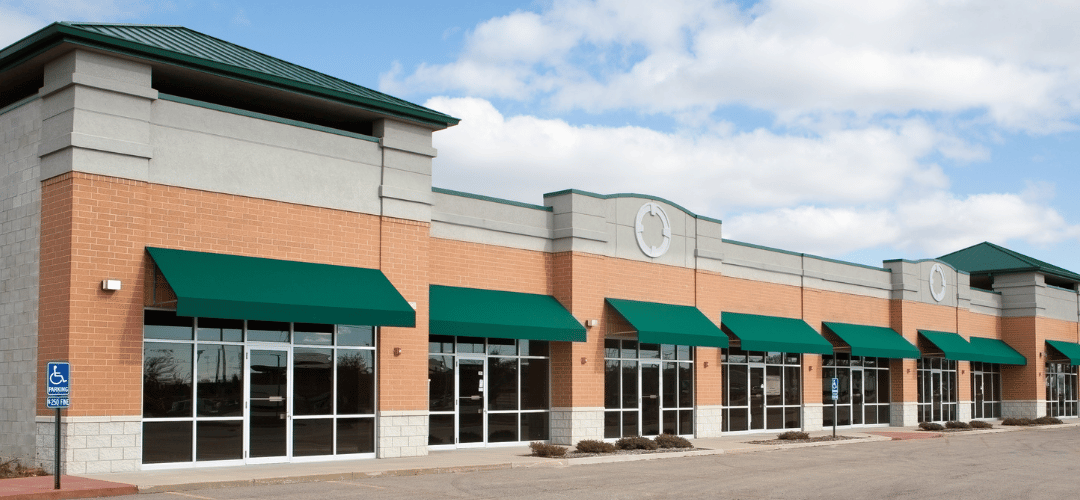
The commercial real estate market never stays still, and right now, it’s particularly unpredictable. In this landscape, commercial property loan defaults are a major headache for both lenders and property owners. Title insurance is a key player here, providing essential protection when the market gets rough.
Understanding Commercial Property Loan Defaults
When a borrower can’t meet their mortgage commitments, usually due to financial issues or shifts in market conditions, that’s a commercial property loan default. This can lead to messy legal issues and financial losses for lenders and threaten property owners’ investments.
For lenders, defaults mean dealing with foreclosure and trying to get back their assets, often complicated by title issues that weren’t clear when the loan was made. Property owners, meanwhile, risk losing their investment and facing potential legal disputes over the property’s title.
Role of Title Insurance in Mitigating Risks
Title insurance protects lenders and property owners from unexpected defects in a property’s title. These can be things like hidden liens, fraud, mistakes in public records, and other legal snags that can mess with ownership.
Here’s what title insurance does in the face of loan defaults:
- Legal Protection: It covers the costs and losses from disputes over who owns the property. This is super important during defaults when ownership might be up for debate.
- Risk Mitigation: The insurance protects against risks like unknown heirs claiming ownership, liens from previous owners, and other title defects that weren’t caught during the initial property transfer.
- Claims and Loss Coverage: If title defects lead to claims, title insurance steps in to handle these issues financially, ensuring that neither lenders nor property owners are left in the lurch.
Benefits of Title Insurance for Lenders
Lenders get a lot from title insurance during a loan default:
- Avoidance of Financial Loss: It protects lenders from losses due to undiscovered liens and encumbrances, making sure they can recover their investment even if the borrower defaults.
- Streamlined Foreclosure Process: By sorting out title issues upfront, title insurance makes the foreclosure process smoother and quicker, helping lenders recover assets faster.
- Prioritizing Lender Interests: In complex transactions and defaults, title insurance makes sure the lender’s interests are top priority, clearing the way to resolution without unexpected legal issues.
Benefits of Title Insurance for Property Owners
Property owners also gain significant protection from title insurance, especially when times are tough following a loan default:
- Security in Ownership: Title insurance ensures that property owners have a clear title, protecting their investment and rights to the property, even after a default.
- Prevention of Future Legal Issues: By resolving potential title defects early, title insurance helps avoid costly legal battles over unclear or disputed ownership, saving owners time and money.
- Enhanced Marketability: A clear title, backed by title insurance, makes the property more appealing to future buyers, boosting its market value and saleability.
Navigating a Volatile Market with Title Insurance
In a shifting market, both lenders and property owners need to use title insurance smartly. Choosing the right title insurance policy means understanding the specific risks linked to the property and ensuring the policy covers all potential title defects. Teaming up with experienced title insurance providers, like Valley Land Title Co, can provide the guidance and support you need to make the best choices.
Contact Us
Title insurance is an important tool for handling the risks that come with property loan defaults. It gives a safety net for lenders and property owners, making sure that the challenges of defaults are managed effectively with minimal loss.
To get a handle on title insurance and secure the protection you need in this unpredictable market, get in touch with Valley Land Title Co. Our team is here to help you with solutions that safeguard your interests and investments.
For more info and personalized advice on getting title insurance, contact Valley Land Title Co today. We’ll help you protect your investments and navigate the twists and turns of the commercial real estate market with ease.

by Tristan Wells | Apr 10, 2024 | Uncategorized
As a realtor, your role goes beyond helping clients find their dream homes; you’re also there to educate them through the homebuying process. One essential aspect you need to communicate effectively is the importance of title insurance. While it might seem complex at first, with the right strategies, you can help homebuyers understand its benefits and necessity, ensuring they make informed decisions.
Understanding Title Insurance
What Is Title Insurance?
Title insurance protects homeowners and lenders from financial loss due to defects in a property title, such as liens, encumbrances, or other issues that could arise after the purchase. There are two main types of title insurance: an owner’s policy and a lender’s policy. The owner’s policy protects the homeowner, while the lender’s policy protects the financial institution that provided the mortgage.
The Role of Title Insurance in Real Estate Transactions
Title insurance ensures clear ownership of a property, protecting against various title defects that could otherwise cause significant financial and legal troubles. Common title issues include unpaid taxes, undisclosed heirs, and previous fraudulent transactions. By securing title insurance, homebuyers gain peace of mind knowing they are safeguarded against these potential problems.
Communicating the Benefits of Title Insurance
Highlighting the Protection Offered
Explain to homebuyers that title insurance provides extensive coverage against legal disputes over property ownership. This includes protection against claims arising from past owners and any legal costs incurred in defending such claims. Share examples of potential title issues, like discovering an undisclosed lien after purchase, and how title insurance would cover the legal expenses to resolve it.
Peace of Mind for Homebuyers
Reassure your clients that title insurance significantly reduces anxiety during the homebuying process. It offers long-term benefits, ensuring that their ownership rights are protected for as long as they or their heirs own the property. This peace of mind can make the difference between a stressful and a smooth transaction.
Cost-Effectiveness
Emphasize the cost-effectiveness of title insurance. It requires a one-time premium payment, unlike other types of insurance that require regular payments. Compare this with the potential costs of legal battles without title insurance, which could far exceed the initial premium, making title insurance a wise investment for homebuyers.
Strategies for Realtors to Explain Title Insurance
Using Simple and Clear Language
Avoid industry jargon and technical terms when explaining title insurance to your clients. Use simple, clear language and relatable analogies. For example, compare title insurance to health insurance – just as health insurance protects against unforeseen medical expenses, title insurance protects against unexpected legal and financial issues related to property ownership.
Educational Materials
Provide your clients with educational materials such as brochures, FAQs, and detailed guides on title insurance. These resources can help reinforce your explanations and provide them with information they can review at their own pace. Consider hosting informational sessions or webinars where clients can learn about title insurance in a more interactive setting.
Sharing Real-Life Stories
Sharing real-life stories and case studies can be a powerful way to illustrate the importance of title insurance. Discuss past instances where title insurance resolved significant issues for homeowners. Testimonials from satisfied clients who benefited from title insurance can also help convey its value.
Partnering with Title Insurance Experts
Invite title insurance professionals to join meetings with your clients. These experts can provide detailed explanations and answer any complex questions your clients might have. Leveraging the knowledge of title insurance professionals can enhance your credibility and ensure your clients receive accurate and comprehensive information.
Addressing Common Misconceptions
Clarifying Misunderstandings
One common misconception is that title insurance is the same as home insurance. Clarify that while home insurance covers physical damage to the property, title insurance protects against legal issues related to ownership. Another myth is that title insurance is unnecessary or too expensive. Explain the cost-effectiveness and the important protection it offers, debunking these myths with clear facts.
Responding to FAQs
Prepare to answer common questions homebuyers have about title insurance. Some frequently asked questions include:
- Why do I need title insurance if the title search was clear?
- How much does title insurance cost?
- What is the difference between owner’s policy and lender’s policy?
Provide clear, concise answers to these questions, emphasizing the long-term benefits and protection title insurance offers.
Explaining title insurance to homebuyers is an essential part of your role as a realtor. By using clear language, providing educational materials, sharing real-life stories, and partnering with title insurance experts, you can effectively communicate the importance and benefits of title insurance. Ensuring your clients understand this key aspect of the homebuying process will help them feel secure and confident in their investment.
Contact Valley Land Title Co.
For more information and assistance with title insurance, contact Valley Land Title Co. Our experts are ready to support realtors and homebuyers, providing comprehensive resources and guidance to ensure a smooth and protected real estate transaction.

by Tristan Wells | Mar 20, 2024 | Uncategorized
Understanding key financial ratios is indispensable for prospective buyers. These ratios, such as the Loan-to-Value (LTV) ratio, Debt-Service Coverage Ratio (DSCR), and Net Operating Income (NOI), are crucial for assessing the feasibility of a land purchase and securing financing. This guide aims to demystify these financial metrics, offering insights into how they influence your land buying journey.
Loan-to-Value (LTV) Ratio: Your First Step in Financing Land for Sale
- Definition and Calculation: The LTV ratio compares the loan amount to the appraised value of the land for sale. It is a primary consideration for lenders to assess their risk.
- Importance for Buyers: A lower LTV ratio suggests more equity in the property, making you a less risky borrower. Tips include looking for land for sale that offers value beyond the purchase price or considering a larger down payment to improve your LTV ratio.
Debt-Service Coverage Ratio (DSCR): Ensuring Your Land Investment Pays Off
- Understanding DSCR: This ratio measures the cash flow available to pay current debt obligations, highlighting the financial viability of the land for sale.
- Strategies for Improvement: For investors targeting land with potential rental income or resale value, improving DSCR involves enhancing the land’s income-generating capabilities or reducing operating expenses.
Net Operating Income (NOI): Gauging the Profitability of Land for Sale
- NOI Explained: NOI is a calculation of the property’s gross income minus operating expenses, providing a snapshot of its potential profitability.
- Maximizing NOI: Prospective buyers should evaluate the land for sale for its income potential versus its upkeep costs. Strategies might include land development or leasing parts of the property.
How Valley Land Title Co. Supports Your Land Purchase
Navigating the financial aspects of purchasing land for sale can be complex. Valley Land Title Co. offers expertise in understanding these key financial ratios and their implications for your loan application. Our services ensure that your investment is not only financially sound but also protected with comprehensive title insurance.
When considering land for sale, the Loan-to-Value (LTV) ratio, Debt-Service Coverage Ratio (DSCR), and Net Operating Income (NOI) are pivotal in making informed decisions. These financial metrics can significantly impact the success of your application for financing, influencing both the terms of your loan and the future profitability of your land investment.
Valley Land Title Co. is here to guide you through each step of purchasing land, from understanding financial ratios to ensuring your title is secure. Our goal is to empower your investment decisions, making the process as seamless and rewarding as possible.
Exploring land for sale? Let Valley Land Title Co. be your partner in navigating the financial landscape and securing your investment. Contact us today for expert guidance and support.

by Tristan Wells | Feb 15, 2024 | Uncategorized
When it comes to purchasing commercial property, securing the right financing is a critical step that can significantly impact your investment’s success. Commercial mortgage, with its complexity and varied loan options, presents unique challenges for investors and business owners alike. Whether you’re eyeing a commercial property for sale or exploring options in the commercial property market, having a knowledgeable partner can make all the difference.
Understanding Commercial Mortgages
A commercial mortgage is a loan secured by commercial property, used to purchase, develop, or refinance commercial real estate. Unlike residential mortgages, commercial loans are subject to higher scrutiny, including detailed examination of the property’s value, the borrower’s financial stability, and the business’s viability.
Commercial mortgages come in various forms, including traditional bank loans, SBA loans, and private lender offerings, each with its terms and conditions. For investors searching for a commercial property for sale, understanding these options and how they align with your investment goals is crucial.
Navigating the commercial mortgage landscape requires a thorough understanding of the market, a solid business plan, and the right guidance. Valley Land Title Co stands ready to assist investors and business owners, ensuring they have the support needed to secure the best possible financing for their commercial property ventures.
Preparing for Your Application
Securing financing for a commercial property is a meticulous process that demands thorough preparation. Lenders evaluate a range of factors before approving a commercial mortgage, making it imperative for applicants to present a compelling case.
Solid Business Plan and Financial Records
A well-crafted business plan outlines the viability and financial projections of your venture. Lenders look for evidence of a sustainable business model, cash flow stability, and a clear understanding of the commercial real estate market. Equally, up-to-date financial records — including income statements, balance sheets, and tax returns — demonstrate your business’s financial health and repayment capacity.
Property Valuation and Title Services
The value of the commercial property plays a pivotal role in securing financing. Lenders require a professional appraisal to determine the loan amount relative to the property’s value. Here, Valley Land Title Co’s expertise becomes invaluable. Their comprehensive title services ensure the property is free of legal encumbrances, enhancing its appeal to lenders.
Key Financial Ratios
Lenders evaluate several financial ratios to assess risk, including the loan-to-value (LTV) ratio, debt-service coverage ratio (DSCR), and the net operating income (NOI) of the property. Understanding these criteria and how they impact your loan application is crucial for success.
Finding the Right Lender
Finding the right lender is not just about securing favorable terms; it’s also about finding a partner willing to work with your specific needs.
Types of Lenders
- Banks and Credit Unions: Traditional lenders often offer the most competitive rates but have stringent criteria and longer processing times.
- Private Lenders: For borrowers seeking more flexible terms or those with unique situations, private lenders provide alternative financing solutions, albeit at higher interest rates.
- SBA Loans: The Small Business Administration offers programs like the 504 and 7(a) for commercial property purchases, catering to small businesses with favorable terms.
Approaching Lenders
When approaching lenders, it’s crucial to present a comprehensive loan package that includes your business plan, financial records, and property details. Demonstrating preparedness and a solid understanding of your financial situation can significantly impact the lender’s decision.
Role of Mortgage Brokers and Title Companies
Navigating the complex landscape of commercial financing can be daunting. Mortgage brokers can offer valuable assistance in finding and securing the best loan for your needs. Similarly, title companies like Valley Land Title Co play a critical role in the process, ensuring the property’s title is clear and facilitating smooth transactions.
Closing the Deal
After finding the right lender and navigating the application process, closing the deal is the final step. This stage involves finalizing the loan terms, signing documents, and addressing any last-minute issues that may arise.
Key Documents and Legal Considerations
The closing process for a commercial mortgage involves a plethora of documents, including the loan agreement, promissory note, and security documents. Understanding these documents and their implications is vital. Legal counsel can provide invaluable assistance, ensuring your interests are protected.
Title Insurance and Closing Services
Title insurance is an essential aspect of closing a commercial mortgage, protecting against potential title issues that could affect ownership. Valley Land Title Co’s closing services ensure a seamless transition, handling all aspects of the closing process from document preparation to fund disbursement.
With meticulous preparation, the right partners, and a clear understanding of the process, securing financing for your commercial property purchase can be a smooth and successful endeavor. Valley Land Title Co stands ready to assist every step of the way, ensuring your path to securing commercial property financing is clear and straightforward.
For more information on how we can assist in your commercial property purchase, contact Valley Land Title Co today.